Facebook
 X
X
 Pinterest
 Copy Link
Finding The Right Neighbourhood

Finding the right neighbourhood checklist:
- Create a list of potential neighbourhoods that stand out to you. What are your priorities?
- Go for a visit with your family to some neighbourhoods that you have on your list. Explore the ins and outs, and the unique charm of each area.
- While on your visit, take note of things that stand out to you. whether they are good or bad, you will be thankful to reflect on them later.
- Think about how far the neighbourhood on your list is from your job, children’s schools, and everyday conveniences. Create your own score system, and rank them
Next time your family is thinking of making a move, keep in mind what you can to do when finding the right neighbourhood for everyone in your family!
Check out another post! Market Education – First Time Home Buyer
Fall Blooms

Fall blooms are a delightful reminder that the beauty of nature doesn’t end with summer. As the hot summer days wind down, there are still plenty of flowers to enjoy during the cooler months. Sunflowers may be wrapping up their season, but Mums are just getting started, and you can still enjoy the vibrant colours of coneflowers, chrysanthemums, hydrangeas, petunias, and even some late-blooming sunflowers. These hardy flowers can withstand the cooler fall temperatures, making them perfect for brightening up your garden or home with a fresh bouquet before winter arrives.
Fall is also the perfect time to plant certain flowers in preparation for next spring and summer. A good rule of thumb is that if the plant grows from a bulb, like tulips or crocuses, it should be planted in the fall. This gives the bulbs enough time to establish their roots before the ground freezes, but prevents them from sprouting too soon. Vegetables like garlic also thrive when planted in the fall—plant your garlic cloves a couple of weeks after Thanksgiving to get the best results next summer.
So, take advantage of the fall season to enjoy the last of the year’s blooms and get a head start on your spring garden! There’s still plenty of time to fill your garden with colour and flavour for next year. Start planting and enjoy the beauty and bounty of the season.
Check Out Another Blog Post Here! Waterfront Property Maintenance
Market Education – First Time Home Buyer
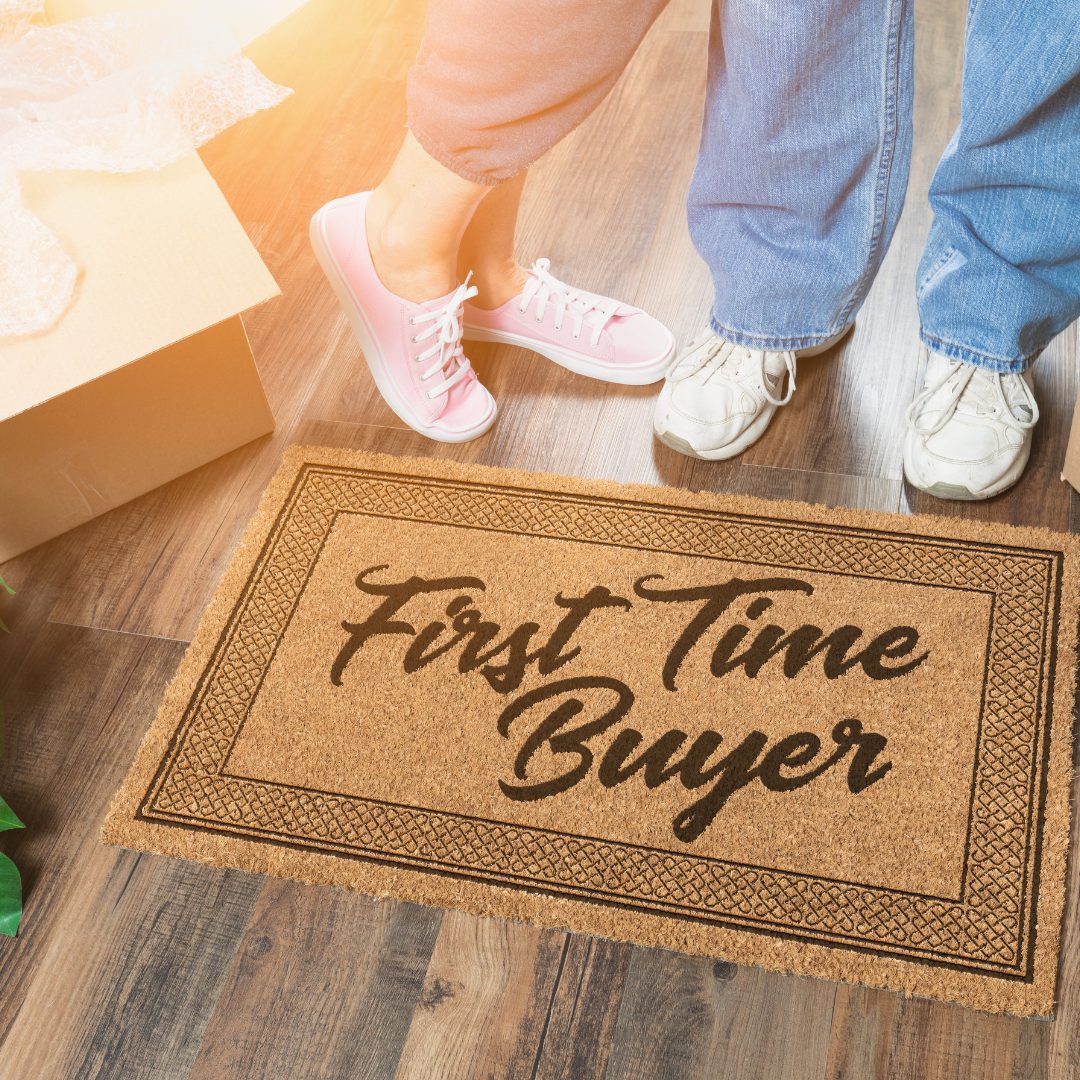
Do you know someone who is a first time home buyer? I can help with Market Education.
Your first home will NOT be perfect. But it WILL be the perfect first step with your long-term goals in home ownership.
Think about the BEST location for your dollar. Keep it as affordable as you can. Getting IN is still better than sitting on the sidelines. Real Estate wealth is the long-term game.
2021-2022 – High prices, low interest rates
2023 – Low prices, higher interest rates
2024- Lowering Prices, Lowering interest rates
2025 – Steading Prices, Lowering interest rates
But really…. THESE rates aren’t anywhere near what we considered “”high”” historically.
Looking past all the media frenzy, the strategy should be:
“𝑴𝒂𝒓𝒓𝒚 𝒕𝒉𝒆 𝑯𝒐𝒖𝒔𝒆, 𝑫𝒂𝒕𝒆 𝒕𝒉𝒆 𝑹𝒂𝒕𝒆”
The expectation is and historical data shows that pricing is surely going to heat up.
So today’s “lower price” can benefit long term. You can always refinance or take a shorter-term mortgage. We have great partners to talk to about finance products that specialize.
But you STILL benefited from a lower purchase price. Therefore equity growth over time.
So if you or someone you know is a first time home buyer, let’s talk. It is never too early to learn about the process and steps you need to take when wanting to purchase your first home!
Check out another blog post: Real Estate Market Types
Waterfront Property Maintenance

Owning a waterfront property comes with many responsibilities! While it offers stunning views and endless recreational opportunities, it also requires consistent upkeep to preserve its beauty and functionality. Listed below are some important things you might need to keep an eye out for when doing maintenance on your waterfront. Regular maintenance not only protects your investment, but also helps sustain the natural environment. Allowing you and future generations to enjoy the unique benefits of waterfront living.
- Regularly inspect your dock for any signs of damage or rot, and lubricate any moving parts.
- Check your shoreline for erosion and your sea wall for signs of damage – take the appropriate steps to repair!
- Landscape the area around your dock and enjoy the waterfront views from your beautiful yard.
- Be sure to watch for any invasive species. They may be on your dock or on the underside of boats/toys sitting in the water.
Being able to keep your waterfront area clean and damage-free means your family can enjoy the property to its fullest potential. A well-maintained waterfront not only enhances the beauty and usability of your space. But also ensures that it remains a safe and enjoyable environment for everyone. Whether it’s swimming, boating, or simply relaxing by the water, a clean and well-kept area allows your family to make the most of every moment spent outdoors.
Check out another blog post When is the Time Right?
When is the Time Right?

When is the best time to sell your property? I feel the best time is when the time is right for your family! I hear often it’s a bad time to buy it’s a bad time to sell. The market will always ebb and flow much like our lives. If you’re considering selling your house in the New Year, you probably have a lot of questions.
- How much is our house likely to sell for on today’s market? What should the listing price be? What are the selling costs?
- How long will it take to sell? What happens if our house takes longer than expected to sell?
- How do we prepare our house for the sale? Will we need to make any major improvements? Will we need to hire a contractor?
- What’s ‘home staging’? Will we need to hire a professional stager?
- What happens when we get an offer? What if the offer price is lower than we can accept? How does the negotiation process work?
- What happens after an offer is accepted? What happens on closing day?
- How do we find a new home while selling our current one? Besides a good real estate agent, what other professionals do we need? How do we find them?
Once you have answers to these questions, you’ll find you’ll be able to go into the selling process with a lot more confidence, knowing when is the time right.
Check out another blog post here: Real Estate Market Types
Real Estate Market Types

If you have been active in the real estate market, you have probably heard the term ‘Buyers Market’ or ‘Sellers Market’ and wondered, what does that mean? These are the different real estate market types that occur.
Sellers Market
A Sellers Market means that the inventory of homes on the market is smaller than the amount of buyers that are looking to purchase a home. This can put sellers in “control” as they receive multiple offers, creating competition between buyers. This can make home prices start to increase.
Buyers Market
In a Buyers Market, the inventory of houses on the market is higher than the number of buyers looking to purchase. This can put the buyer in “control” as they are able to pick and choose which properties they want to offer on. Buyers can also include more conditions in their offers to protect themselves.
Balanced Market
A balanced market happens when the inventory of homes for sale matches the number of buyers who are looking to make a purchase. When the market is balanced, sellers and buyers are equals, with neither side facing harsher market conditions than the other.
Many factors can contribute to the real estate market types. Lender and employment rates, and construction, are just some examples that can have an effect on the market conditions. It is important to stay in the know when you are buying a home. Or selling your home. The different market types can influence the important decisions that you will have to make – sometimes on the fly.
Check out another article here! Prepare Your Home for Sale
Prepare Your Home for Sale

Did you know the most stressful thing a person can go through in life is divorce? The second? Moving. That’s why if you’re thinking about moving, you need to prepare your home for sale.
As we know, so much goes into moving. Even the thought of wanting to move can make your stomach turn. So how can we make moving less stressful? Being prepared.
Here are some important items to prepare your home for sale:
- Putting a fresh coat of paint on your walls can instantly brighten any space, and allow a blank canvas.
- Deep clean your entire house. Having a clean house can greatly benefit the rest of the preparation process, especially the stagers!
- Remove all of your personal belongings from your home. It’s hard for buyers to picture themselves living in your house.
- Repair small damages around your home. Fixing chipped paint, or re-caulking the bathroom, can all make a difference in how a buyer views your home.
- Rent a storage unit to store your bigger items. While showings are taking place putting your extra boxes, furniture, etc. into storage can make your home present better!
By using these tips, you can prepare your home for sale with less stress!
Check out another blog post: When is the Time Right?